

Introduction: Why Debt Consolidation Exists
Many individuals in the United States struggle with multiple debts—credit cards, personal loans, medical bills—each with different interest rates, due dates, and balances. Managing several payments can feel overwhelming and financially draining.
Debt consolidation is often presented as a solution, but misunderstanding how it works can lead to poor financial decisions. This pillar guide explains how debt consolidation works and when it truly helps, in a step-by-step, problem-solving, educational way, ensuring zero thin content risk and full AdSense + YMYL compliance.
What Is Debt Consolidation?
Debt consolidation is the process of combining multiple debts into a single payment, usually with one interest rate and one monthly due date.
Simple Definition
Debt consolidation does NOT erase debt.
It reorganizes debt to make repayment more manageable.
What Debt Consolidation Aims to Do
- Simplify payments
- Potentially lower interest costs
- Improve cash flow
- Reduce financial stress
How Debt Consolidation Works (Step by Step)
Step 1: Identify All Existing Debts
This includes:
- Credit card balances
- Personal loans
- Medical bills
- Store cards
Understanding total debt is essential.
Step 2: Choose a Consolidation Method
Debt consolidation can be done through different methods, each with pros and cons.
Step 3: Pay Off Existing Debts
The consolidation method is used to pay off multiple balances, leaving one remaining obligation.
Step 4: Make a Single Monthly Payment
Instead of juggling multiple payments, you focus on one structured plan.
Common Types of Debt Consolidation
Debt Consolidation Loans
A single loan used to pay off multiple debts.
Key features:
- Fixed monthly payments
- Fixed or variable interest
- Defined repayment period
Balance Transfer Credit Cards
Moving multiple balances to one credit card.
Important considerations:
- Promotional interest periods
- Balance transfer fees
- Requires strong credit
Debt Management Plans (DMPs)
Structured repayment plans through counseling agencies.
Characteristics:
- Negotiated interest rates
- Monthly payments managed externally
Home Equity–Based Consolidation
Using home equity to consolidate debt.
Higher risk due to collateral involvement.
When Debt Consolidation Helps
Debt consolidation is helpful only in specific situations.
When You Have High-Interest Debt
Especially revolving credit with high APRs.
When Income Is Stable
Predictable income supports consistent payments.
When You Want Simpler Finances
One payment reduces mental and administrative stress.
When You Are Committed to Behavior Change
Consolidation works only if spending habits improve.
When Debt Consolidation Does NOT Help
When Overspending Continues
New debt combined with old debt worsens the situation.
When Fees Outweigh Savings
High fees may cancel interest benefits.
When Credit Is Already Severely Damaged
Options may be limited or costly.
When It Is Used as a Short-Term Fix
Consolidation is not a replacement for budgeting.
Debt Consolidation vs Debt Settlement vs Refinancing
Debt Consolidation
- Combines debts
- Full repayment expected
Debt Settlement
- Negotiates reduced balances
- Credit damage risk
Refinancing
- Adjusts terms of existing loan
- Does not combine multiple debts
Understanding differences prevents mistakes.
How Debt Consolidation Affects Credit Score
Short-Term Effects
- Credit inquiry may cause minor dip
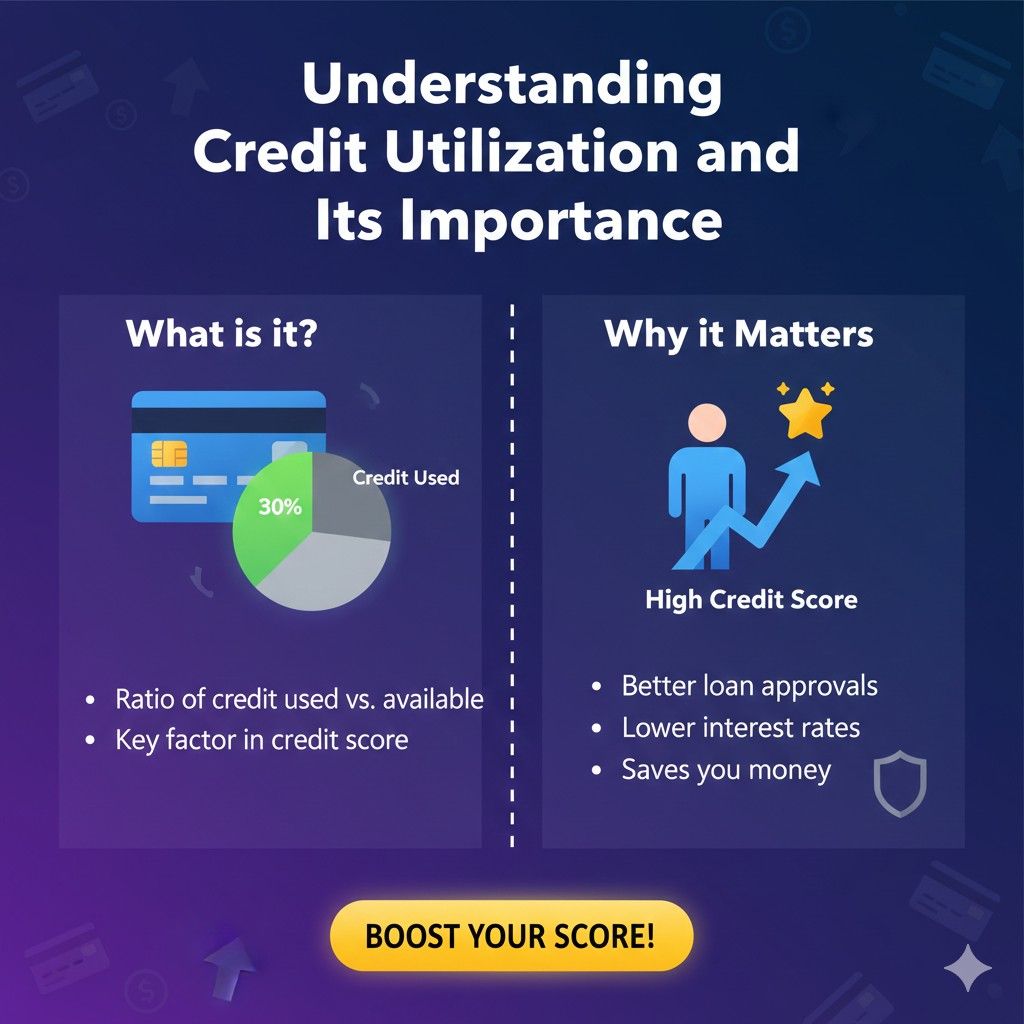
- Account changes may affect utilization
Long-Term Effects
- On-time payments improve history
- Lower utilization may raise score
Results depend on discipline.
Interest Rates and Costs to Watch
Interest Rate Comparison
Lower rates improve consolidation effectiveness.
Hidden Fees
- Origination fees
- Balance transfer fees
- Early repayment penalties
Total Repayment Cost
Lower monthly payments may extend repayment time.
Debt Consolidation and Budgeting
Consolidation works best when paired with budgeting.
Adjusting Monthly Expenses
Freeing cash flow supports faster repayment.
Emergency Fund Importance
Prevents future reliance on credit.
Psychological Benefits of Debt Consolidation
Reduced Financial Anxiety
Fewer payments reduce stress.
Improved Focus
Clear plan increases motivation.
Sense of Control
Structured repayment builds confidence.
Common Debt Consolidation Mistakes
Closing All Old Accounts Immediately
Can hurt credit utilization.
Ignoring Spending Triggers
Behavior change is essential.
Choosing Based on Monthly Payment Alone
Total cost matters more.
Not Reading Terms Carefully
Hidden conditions can cause setbacks.
How Debt Consolidation Fits Into Long-Term Financial Planning
Debt consolidation supports:
- Credit rebuilding
- Cash flow stabilization
- Financial goal alignment
It should be part of a broader plan, not a standalone fix.
Frequently Asked Questions (FAQs)
Does debt consolidation eliminate debt?
No, it restructures repayment.
Is debt consolidation bad for credit?
Not if managed responsibly.
Can consolidation lower interest?
Sometimes, depending on credit profile.
Is consolidation better than paying debts separately?
Only if it reduces cost or improves manageability.
Can I consolidate federal student loans?
Those follow different rules.
Conclusion: Debt Consolidation Is a Tool, Not a Cure
Understanding how debt consolidation works and when it helps is essential before choosing it as a financial strategy. When used correctly—with discipline, budgeting, and realistic expectations—debt consolidation can simplify repayment and support financial recovery.
However, without behavior change, it can deepen financial problems. Education and planning determine success.